
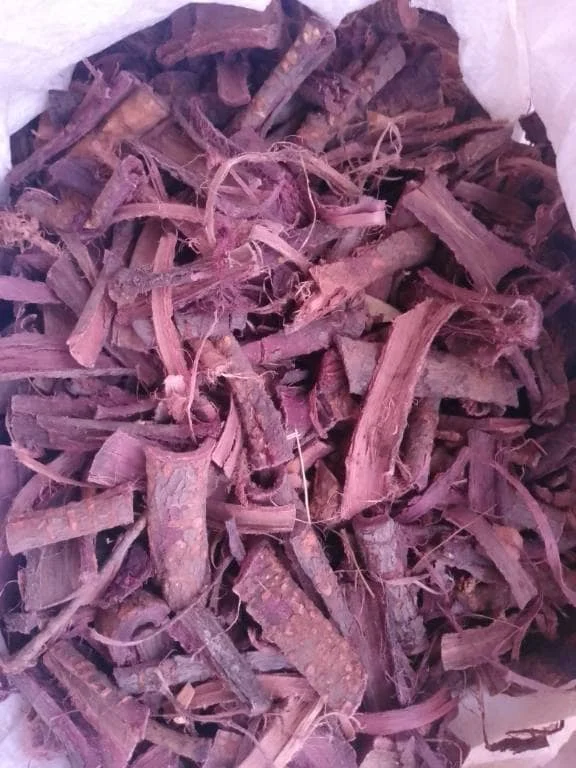
Mexican Mimosa Hostilis (MHRB) – Whole Chopped Inner Bark
Price range: $145.99 through $4,499.99
Looking for mimosa hostilis root bark for sale? Buy 100% authentic Mexican MHRB whole chopped inner bark with unrivaled purity & fast delivery!
Mexican Mimosa Hostilis (MHRB) – Whole Chopped Inner Bark: Purity & Unrivaled Quality
If you are searching for authentic, high-grade mimosa hostilis root bark for sale, your quest ends here. Sourced directly from sustainable botanical farms in southern Mexico, our Mexican Mimosa Hostilis (MHRB) – Whole Chopped Inner Bark represents the pinnacle of natural purity, deep coloration, and rich tannin density.
mimosa hostilis root bark for sale, engineered specifically for artisan dyers, botanical researchers, leather tanners, and natural product enthusiasts, this premium MHRB inner bark offers a vibrant, highly concentrated natural dye yield that inferior, outer-bark cuts simply cannot duplicate. Discover why discerning clients worldwide choose our authentic Mexican harvest for their natural extraction and textile projects.
H2: What Makes Our Mexican Mimosa Hostilis Root Bark Superior?
Not all botanical root bark is harvested equal. Many low-grade suppliers dilute their products with worthless outer bark or dead trunk wood. When you browse our selection of mimosa hostilis root bark for sale, you are receiving 100% pure inner root bark harvested at peak botanical maturity.
H3: Deep Rich Purple Dyes & Natural Leather Tanning
Mexican Mimosa hostilis (locally known as Jurema preta) is world-renowned for its exceptionally high concentration of natural tannins and vibrant purple pigment. Whether you are crafting natural textile dyes, restoring historic leather goods, or formulating artisanal soap products, our whole chopped inner bark provides an intense, deep reddish-purple hue that lasts.
H3: Sustainably Harvested & Responsibly Processed
We partner exclusively with traditional Mexican agricultural communities who practice selective, sustainable root harvesting. This ensures the host trees remain healthy and vibrant for future generations, while providing local farming families with fair, ethical wages.
What Sets Mexican MHRB Apart?
Mimosa Hostilis is a remarkably adaptable species, and while its core properties remain consistent across growing regions, subtle differences in climate, soil composition, and harvesting traditions can influence the final product.
Regional growing conditions. Mexico’s arid and semi-arid zones — similar in many ways to Brazil’s Caatinga region — provide the intense sun exposure and mineral-rich, well-drained soil that this species favors, contributing to strong tannin and pigment development in the root system.
Traditional harvesting knowledge. In parts of Mexico, Mimosa Hostilis (locally known in some regions by names tied to its historical and cultural uses) has long been recognized by local communities for the properties of its bark, and harvesting practices often draw on generations of accumulated regional knowledge.
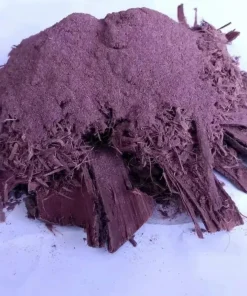
Whole chopped format. Rather than reducing the bark to powder or fine shreds, whole chopped bark retains larger, more structurally intact pieces — a format that appeals strongly to crafters who prefer working with visibly natural, minimally processed materials.
Understanding the “Whole Chopped” Format
Whole chopped inner bark sits at the less-processed end of the spectrum compared to shredded or powdered MHRB. Here’s what makes this format distinct;
Larger, more substantial pieces. Chopped bark chunks are bigger than shredded bark, giving you a more rustic, visibly botanical material that many crafters find appealing for both function and aesthetics.
Slow, extended pigment release. Because there’s less exposed surface area relative to volume, whole chopped bark releases its tannins and coloring compounds more slowly than shredded or powdered forms — ideal for long, slow-simmered dye baths or extended tanning liquors.
Minimal processing. Less mechanical handling during production means the bark retains more of its natural fibrous integrity, which some artisans believe helps preserve the material’s full range of natural compounds.
Easy identification and quality inspection. With large, whole pieces, it’s simple to visually check for consistent color, proper drying, and the absence of contamination — something much harder to do with powder.
Common Uses for Whole Chopped Mimosa Hostilis Bark
Natural Dyeing for Fiber and Textile Artists
Whole chopped bark is a favorite for dyers who enjoy a slower, more traditional extraction process. Simmered over an extended period, it releases warm, earthy pigments ranging from soft terracotta to deep russet and brown, depending on concentration and mordan.
Fibers that respond particularly well include:
- Cotton
- Linen
- Wool
- Silk
- Hemp and jute
- Natural basketry materials
Because the chunks are large and easy to remove, many dyers find whole chopped bark especially convenient for bigger batches or communal dye workshops where straining fine powder from large volumes of liquid would be impractica.
Leather Tanning and Traditional Craft
mimosa hostilis root bark for sale , The tannin-rich nature of Mimosa Hostilis bark has made root bark preparations part of traditional tanning methods in various regions. The whole chopped format is particularly well-suited to slow-steeping tanning liquors, where bark sits in solution for extended periods, gradually imparting both color and natural tanning properties to hides. mimosa hostilis root bark for sale
Rustic Décor and Botanical Craft Applications
The large, natural-looking pieces of whole chopped bark also lend themselves well to:
- Decorative botanical displays and rustic centerpieces
- Natural potpourri blends with substantial, visible texture
- Educational displays in natural dye or botanical workshops
- DIY infused oils or natural craft experimentation
Its raw, unrefined appearance gives it a strong visual appeal for crafters who want their materials to look and feel authentically natural.
How to Use Whole Chopped MHRB: Step-by-Step
- Weigh your bark. Because whole chopped pieces have less exposed surface area, slightly more material (or a longer extraction time) is generally needed to achieve equivalent pigment strength compared to shredded or powdered forms.
- Simmer low and slow. Add the chopped bark to water and simmer gently over an extended period — many crafters let it steep for several hours, or even overnight, to fully draw out the tannins.
- Strain the liquid. The large pieces make straining simple — a basic mesh strainer or colander often does the job, with no fine sediment to worry about.
- Mordant your fiber. Pre-treating your material with a mordant such as alum improves dye uptake and longevity.
- Submerge and simmer your fiber. Add your prepared material to the strained dye bath, simmering gently and stirring occasionally for even color distribution.
- Rinse and cure. Rinse until the water runs clear, then dry your material away from direct sunlight.
mimosa hostilis root bark for sale. Many experienced dyers find that the same batch of whole chopped bark can be simmered a second time to extract a lighter, complementary shade — extending the value of a single purchase.
What to Look for in Premium Mexican MHRB
Quality varies significantly across suppliers, so knowing what separates premium whole chopped bark from lower-grade material is essential:
True inner root bark — sourced specifically from the root system rather than branch or trunk bark, which carries far less pigment and tannin content.
Deep, consistent reddish-brown coloring — a strong visual indicator of maturity and proper harvesting.
Clean, well-dried pieces — free of excess dirt, mold, insects, or degraded fragments.
Transparent regional sourcing — reputable sellers should be able to speak to where in Mexico the bark was harvested and how it was processed.
Proper packaging — airtight, moisture-controlled storage helps preserve tannin potency from harvest to your doorsteps.
| Quantity | 1KG, 2KG, 3KG, 4KG, 5KG, 10KG, 15KG, 25KG, 50KG |
|---|
Be the first to review “Mexican Mimosa Hostilis (MHRB) – Whole Chopped Inner Bark”
Related products
Brazilian Mimosa Hostilis
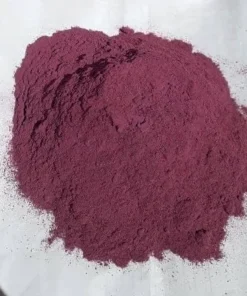
Brazilian Mimosa Hostilis
Brazilian Mimosa Hostilis (MHRB) | Cold-Milled Inner Root Bark Powder
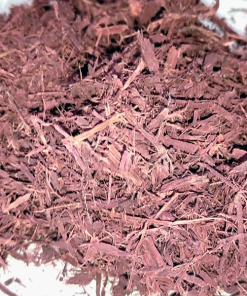
Mexican Mimosa Hostilis
Premium Shredded Mexican Mimosa Hostilis Inner Root Bark (MHRB)
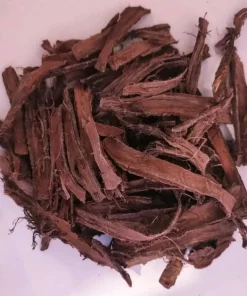
Mexican Mimosa Hostilis
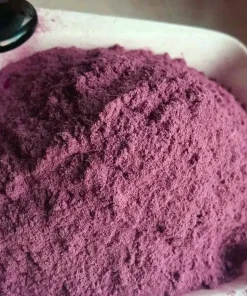
Mexican Mimosa Hostilis
Mexican Mimosa Hostilis Root Bark (MHRB) | Premium Fine-Milled Powder
Mexican Mimosa Hostilis
Premium Mexican Mimosa Hostilis Inner Root Bark (MHRB) Powder
Reviews
There are no reviews yet.